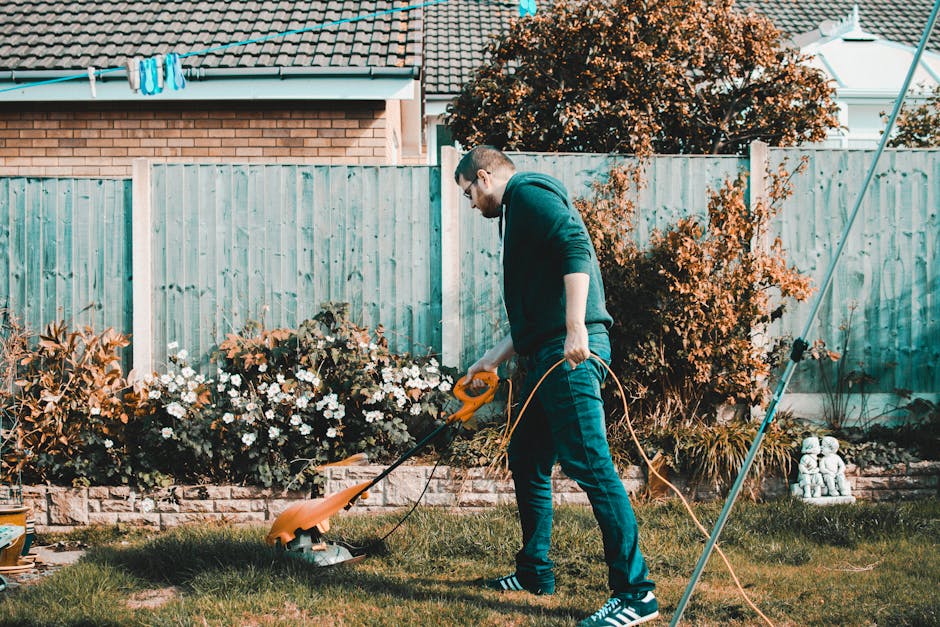
Affordable gardeners East Ham E6 real cost guide
If you are trying to work out the real cost of hiring affordable gardeners in East Ham E6, you are not alone. Most people start with a simple question: what should a fair price look like, and what am I actually paying for? The honest answer is that garden work can look cheap at first glance, then grow legs once labour, waste removal, access, and the size of the job come into play. This guide breaks everything down in plain English so you can budget properly, compare quotes with confidence, and avoid paying over the odds.
Whether you need a one-off tidy-up, regular maintenance, hedge cutting, lawn care, or a full garden reset, the goal here is straightforward: help you understand what affects pricing in East Ham E6 and how to get value without cutting corners. That balance matters. Too cheap can be risky. Too vague usually is too.
Table of Contents
- Why Affordable gardeners East Ham E6 real cost guide Matters
- How Affordable gardeners East Ham E6 real cost guide Works
- Key Benefits and Practical Advantages
- Who This Is For and When It Makes Sense
- Step-by-Step Guidance
- Expert Tips for Better Results
- Common Mistakes to Avoid
- Tools, Resources and Recommendations
- Law, Compliance, Standards, or Best Practice
- Options, Methods, or Comparison Table
- Case Study or Real-World Example
- Practical Checklist
- Conclusion
- Frequently Asked Questions
Why Affordable gardeners East Ham E6 real cost guide Matters
Garden work is one of those jobs that can seem deceptively simple. A lawn needs mowing, a hedge needs cutting, a border needs clearing. Easy enough, right? Then the quote arrives and you realise the price depends on a lot more than the visible patch of grass.
That is why a real cost guide is useful. In East Ham E6, properties vary quite a bit: small terraces, maisonettes with compact courtyards, family gardens with awkward access, shared outdoor spaces, and the occasional overgrown plot that has been ignored for months. The type of property changes the job, and the job changes the cost.
For most homeowners and landlords, the challenge is not finding a gardener. It is finding an affordable one who still turns up on time, works safely, communicates clearly, and leaves the place genuinely better than they found it. Those basics sound obvious, but let's face it, they are exactly where cheap jobs often go sideways.
A cost guide also helps you avoid a common trap: comparing quotes that are not really comparable. One gardener may include waste removal, another may not. One may quote for two hours, another for a fixed result. A third may look low-cost because they have left out travel, materials, or follow-up labour. You only know you are getting value when you know what the price includes.
If you want a broader view of the kind of work a local team may cover, it helps to look at the services overview and then narrow down what you actually need. That is usually where the savings start.
How Affordable gardeners East Ham E6 real cost guide Works
In practical terms, the price of garden work is usually built from a few familiar pieces: labour time, job complexity, materials, tools, access, and disposal. Some companies price by hour. Others prefer a fixed quote after seeing the garden. Both methods can be fair if the scope is clear.
Here is the simplest way to think about it:
- Small, predictable jobs are often easier to quote as a fixed price.
- Unclear or overgrown jobs are often priced by time or after a visit.
- Regular maintenance is usually more affordable than rescue work because the garden stays under control.
- Waste-heavy jobs may cost more because disposal takes extra time and space.
For example, a basic mow-and-edge in a tidy small garden is usually very different from clearing brambles, cutting back a hedge, removing green waste, and then hauling everything through a narrow side return. Same postcode. Very different effort.
Another thing to remember: the word "affordable" does not always mean "lowest possible price". In the real world, affordable usually means the cost is reasonable for the amount of work, the quality of the finish, and the hassle removed from your day. That distinction matters. It saves disappointment later.
If you are comparing quotes, checking a dedicated pricing and quotes guide can help you understand how estimates are normally structured and what questions to ask before you commit.
Key Benefits and Practical Advantages
Hiring a good-value gardener is not just about saving money on paper. It is about reducing stress and getting predictable results. A tidy outdoor space has a way of making a home feel calmer, brighter, more usable. On a damp Monday morning in East Ham, that matters more than people admit.
Some of the main benefits include:
- Clear budgeting - you know what the work will cost before it starts.
- Better value over time - regular care often prevents expensive remedial work later.
- Less physical effort - no dragging bags, no sore back, no weekend lost to pruning.
- Improved presentation - useful if you rent out the property or are preparing to sell.
- Healthier plants and lawn - proper timing and technique usually beat rushed DIY jobs.
There is also a less obvious benefit: consistency. A gardener who sees the space regularly starts to understand how it behaves. They notice where the lawn struggles, where the hedge grows faster, where drainage lingers after rain. That local familiarity can make a real difference to cost because it reduces guesswork.
Expert summary: the best "affordable" gardener is not the one with the lowest headline number. It is the one whose quote matches the actual workload, whose scope is clear, and whose standard of finish means you do not have to pay again too soon.
If you want to understand the company behind the service, a quick read of the about us page can give you a better sense of approach and standards. Small detail, but useful.
Who This Is For and When It Makes Sense
This guide is for anyone in East Ham E6 who wants practical garden help without wasting money. That includes busy homeowners, landlords, tenants with permission to improve a garden, elderly residents who need support with heavier tasks, and property managers looking for reliable maintenance on a sensible budget.
It tends to make most sense in situations like these:
- The garden has become difficult to keep on top of.
- You need a one-off tidy-up before visitors, tenants, or an estate agent view.
- The lawn is patchy, long, or full of moss and needs attention.
- Hedges or shrubs are blocking light or spilling into paths.
- You want recurring maintenance rather than repeated rescue jobs.
Truth be told, the biggest savings often come when people stop waiting until the garden is completely out of control. Once weeds have set in, borders are hidden, and cuttings need removing in bulk, the job becomes slower and more expensive. A little regular care goes a long way.
It is also worth asking whether you need a one-off clean-up or an ongoing service. If you are only looking at the garden once every few months, a small recurring visit may be more affordable overall than a bigger fix every season. Funny how that works, but it does.
Step-by-Step Guidance
If you want the best value from an affordable gardener in East Ham E6, follow a simple process. Nothing fancy. Just clear thinking and a bit of preparation.
- List the actual jobs. Write down what needs doing: mowing, pruning, weeding, clearing, hedge cutting, patio sweeping, waste removal, or planting.
- Separate urgent work from nice-to-have work. If the budget is tight, focus on safety and control first. Overhanging branches and trip hazards come before decorative tidying.
- Measure the space roughly. You do not need engineering precision, just a sense of scale. Small, medium, or large is already helpful.
- Note access issues. Narrow side access, no parking nearby, upper-level gardens, locked gates, or shared entrances can affect time and cost.
- Ask what the quote includes. Labour only? Waste removal? Materials? Fuel? Follow-up visits? Do not assume.
- Ask for timing. A cheaper quote is less useful if the job drifts for weeks.
- Compare like for like. The most useful comparison is scope, not just price.
A good habit is to take two or three photos in daylight and send them with a short written description. That tiny bit of clarity can save a lot of back-and-forth. It is boring admin, yes, but boring admin tends to save money.
If you are arranging a visit or need a direct conversation, you can use the contact page to request help or ask a question before booking. That is usually the cleanest next step.
Expert Tips for Better Results
Here is where the real savings often hide. Not in haggling, but in planning.
- Bundle jobs together. If a gardener is already visiting, it can be more efficient to combine mowing, weeding, and cutback work in one appointment.
- Choose regular intervals. Fortnightly or monthly maintenance is usually easier to manage than occasional emergency clearances.
- Clear access before the visit. Move bins, toys, loose furniture, and anything fragile. You save time. Time is money.
- Be honest about the condition. If the garden is badly overgrown, say so upfront. Surprise overgrowth is what makes quotes jump.
- Ask about waste handling. Green waste can add cost, especially if there is a large volume. Better to know before the cut starts.
A small but useful tip: if your garden has seasonal problem areas, mention them. For example, the back corner that turns into a mossy puddle every winter, or the hedge that seems to double in size by July. A gardener who understands the pattern can work more efficiently and give better advice.
And honestly, if a quote feels oddly cheap, ask yourself why. Are they leaving out waste, labour time, or the awkward bits at the back? Sometimes the price is low because the job description is too. That is the catch.
Common Mistakes to Avoid
People often overspend or under-prepare in the same predictable ways. Avoid these, and you are already ahead.
- Choosing purely on the lowest price. Cheap can become expensive if the work is rushed or incomplete.
- Not defining the scope. "Tidy the garden" is too vague. Say exactly what you want done.
- Ignoring waste removal. Cuttings, branches, and soil are not free to disappear.
- Forgetting access limitations. If tools need to be carried through the house or up steps, the job takes longer.
- Assuming all gardeners price the same way. Some charge hourly, some fixed, some by task. It matters.
- Leaving the garden untouched for months. Overgrowth always costs more to deal with later.
There is another subtle mistake: not checking whether the provider works to clear policies around safety, payments, and complaints. These things are not exciting, granted, but they protect you if something goes wrong. A professional setup usually feels calmer from the start.
Tools, Resources and Recommendations
You do not need a shed full of specialist kit to make good decisions here. In fact, the most useful resources are often simple.
- A phone camera for photos before quoting.
- A rough checklist of tasks you want done.
- A measuring tape or even pacing out the space if you want a clearer sense of garden size.
- A notebook or notes app for comparing quotes side by side.
- Seasonal timing - early spring and late summer are often busy, so planning ahead can help with availability.
If you care about disposal and greener working methods, it is worth reviewing the company's recycling and sustainability information. It can tell you how clippings, green waste, and reusable materials are handled, which is especially helpful if you want the job done responsibly rather than just quickly.
For practical service planning, the broader services overview is also useful because it helps you match the work to the right kind of visit. A tidy-up is not the same as a full garden restoration, despite what some adverts imply.
Law, Compliance, Standards, or Best Practice
For garden work in a domestic setting, the main compliance concerns are usually straightforward: safe working practices, insurance, clear communication, and responsible waste handling. You do not need to become a legal expert, thankfully, but a few basics matter.
Best practice usually includes:
- Proper public liability insurance where relevant.
- Safe use of tools and equipment, especially powered cutters and mowers.
- Clear agreement on the work to be carried out and what is excluded.
- Respect for access, neighbours, and shared spaces.
- Responsible disposal of garden waste.
If you are comparing providers, it is sensible to check their insurance and safety information and their health and safety policy. Those pages are not just formalities. They tell you whether the business takes care seriously or just says it does.
Payment clarity matters too. If a quote is vague about deposits, invoices, or accepted methods, ask questions early. A clear payment and security approach reduces awkwardness and protects both sides.
One more thing: if the work involves plant waste, soil movement, or larger clearances, be upfront about it. Best practice is not about paperwork for its own sake. It is about getting the job done without mess, risk, or misunderstanding.
Options, Methods, or Comparison Table
Different ways of booking garden work suit different needs. Here is a simple comparison to help you think it through.
| Option | Best for | Typical strengths | Possible downside |
|---|---|---|---|
| Hourly gardening | Unclear or mixed jobs | Flexible, easy to start, useful when scope changes | Total cost can rise if the job expands |
| Fixed-price tidy-up | Defined tasks and visible outcomes | Easy to budget, good for one-off clean-ups | Needs clear scope or disputes can happen |
| Regular maintenance visit | Ongoing garden care | Usually better value over time, keeps things under control | May feel unnecessary if the garden is rarely used |
| Seasonal visit | Spring or autumn reset | Good for heavier pruning and renewal work | Can be pricier than routine maintenance |
If you want the best value, regular maintenance is often the sweet spot. If the garden is already messy, a fixed quote for a reset can be clearer. Hourly work is useful when you are not quite sure how much needs doing. There is no magic formula. It depends on the garden, really.
Case Study or Real-World Example
Imagine a typical East Ham E6 back garden after a wet spell: the lawn is long, weeds are pushing through the borders, a hedge has started leaning over the path, and there is a pile of cuttings from an earlier half-finished DIY attempt. Nothing dramatic, just one of those gardens that quietly got away from everyone.
The homeowner rings around and gets three quotes:
- Quote A: very low, but only for mowing and does not include waste removal.
- Quote B: mid-range, includes cutback work, waste removal, and a clear time estimate.
- Quote C: higher, but includes a full tidy-up, edging, border weeding, and a follow-up maintenance option.
At first glance, Quote A looks best. But once you add the extra cost of removing waste separately and possibly paying again for neglected borders, it stops being the cheapest. Quote B probably gives the best all-round value. Quote C might be the right choice if the homeowner wants a stronger reset and then a proper maintenance plan.
That is the real lesson: the cheapest first number is not always the cheapest result. The garden does not care how a quote looked in your inbox. It only cares what work gets done.
In our experience, customers feel much happier when the quote is specific, the visit is punctual, and the final result is obvious the moment you step outside. You hear the difference too. Less rustling weeds, more clean air and open space. Simple, but satisfying.
Practical Checklist
Use this checklist before you book:
- List the exact tasks you want done.
- Take clear photos of the garden in daylight.
- Note access issues, parking limits, and gate locks.
- Decide whether you want one-off or regular work.
- Ask whether waste removal is included.
- Confirm whether tools and materials are supplied.
- Check how the quote is calculated.
- Ask about timing and availability.
- Review safety, insurance, and payment information.
- Compare scope, not just price.
If you can tick most of those off before the job starts, you are in a much stronger position. Really, that is half the battle.
Conclusion
Finding affordable gardeners in East Ham E6 is not about hunting for the cheapest number and hoping for the best. It is about understanding the real cost behind the work, then choosing the option that gives you a clean, reliable outcome without surprises. Once you know what affects pricing, the whole process becomes much easier to manage.
Start with a clear scope, ask practical questions, and choose a gardener who is transparent about labour, waste, timing, and safety. That combination usually delivers the best value. And if you keep up with regular maintenance, you will almost always spend less than you would on repeated overgrowth rescue jobs. No drama, no waste, no regret later on a damp Saturday afternoon.
If you want to explore more about the business and how it works, the about us page, the services overview, and the pricing and quotes page are sensible places to start. Small steps, but they help you make a better decision.
Get a free quote today and see how much you can save.
When a garden is cared for properly, it gives back more than it takes. A little less clutter, a little more light, and a space that feels like yours again.
Frequently Asked Questions
How much do affordable gardeners in East Ham E6 usually cost?
The cost depends on the size of the garden, the type of work, access, waste removal, and whether the job is one-off or regular. A small tidy-up will usually cost less than an overgrown clearance, but the exact figure should always be based on the actual scope.
What affects the price of garden maintenance the most?
Labour time is usually the biggest factor, followed by garden size, access, and how much green waste needs removing. Regular maintenance is often cheaper over time than letting the garden get out of control.
Is hourly pricing or fixed pricing better?
Hourly pricing can work well when the job is unclear or likely to change. Fixed pricing is often better for defined tasks because it gives you a clearer budget. The best choice depends on the garden and the brief.
Should waste removal be included in the quote?
Ideally, yes, or at least clearly stated if it is extra. Waste removal can make a big difference to the final cost, especially after hedge cutting, pruning, or clearance work.
How can I keep gardening costs down?
Prepare the space, combine tasks where possible, and book regular maintenance before the garden becomes overgrown. Clear communication also helps avoid surprise extras.
What should I ask before hiring a gardener?
Ask what the quote includes, whether waste removal is covered, how long the job will take, what access they need, and whether they are insured. Those questions save a lot of awkwardness later.
Do affordable gardeners still provide proper quality?
They should. Affordable should mean sensible value, not poor workmanship. A good gardener will explain the scope clearly and complete the work to a standard that means you are not paying again too soon.
Is regular garden maintenance worth it?
For many gardens, yes. Regular visits often cost less than repeated emergency tidies because the garden stays manageable. It also usually looks better throughout the year, which is a nice bonus.
What if my garden is badly overgrown?
Be upfront about it. Overgrown gardens take more time, so the quote will usually reflect that. A clear description and a few photos make the estimate far more accurate.
Can I book just a one-off garden tidy-up?
Yes, and it is a common request. One-off jobs are useful before events, tenant moves, or seasonal changes. Just be clear about the results you want, not only the tasks.
How do I know if a quote is too cheap?
Check whether it includes labour, waste removal, and all the work you actually need. A very low quote can sometimes mean important bits have been left out. If it feels unclear, ask for a breakdown.
Where should I go next if I want to book?
The most practical next step is to review the relevant service information, check the pricing details, and then use the contact page to request a quote or ask a question. A quick, clear enquiry usually gets the best response.