Gardening Newham: Recycling and Sustainability for Green Spaces
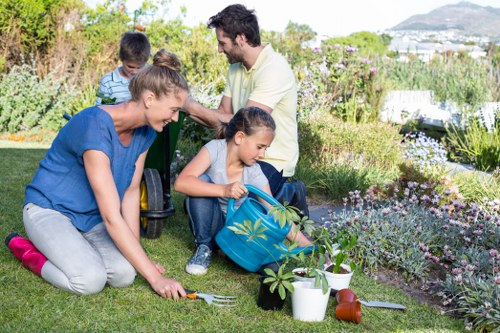 In Gardening Newham we prioritise recycling and sustainability across all community garden sites, allotments and green corridors. Our approach to an eco-friendly waste disposal area and a thriving sustainable rubbish gardening area sits at the heart of how we plan, plant and maintain public and community-managed green spaces. This page sets out measurable targets, the practical systems we use locally, and the partnerships that help turn garden waste into value for people and wildlife.
Our borough-wide strategy aligns with the wider London emphasis on source separation: households and community sites are encouraged to separate food waste, garden waste, dry recycling (paper, cardboard, glass and cans) and residual waste. The emphasis on separation allows composting, anaerobic digestion and reuse streams to work efficiently, reducing the burden on landfills and creating high-quality compost for urban soil improvement.
 To make progress tangible we have set a clear recycling percentage target: a 60% recycling and reuse rate for garden-related waste from Gardening Newham sites by 2030. This target includes diverting at least 75% of green and food waste from community gardens into composting or municipal organics facilities, and increasing reuse of pots, timber and tools through donations and swaps.
Practical eco-friendly waste disposal systems
Community hubs and allotment managers operate designated eco-friendly waste disposal areas with colour-coded bins and signage to reflect the borough's waste separation system. These include separate containers for:
- Garden waste (for local turning into compost)
- Food scraps (for collection to anaerobic digestion or community composters)
- Dry recycling (paper, cardboard, glass and cans)
- Reusable items (pots, tools, planters) that are diverted to reuse networks)
These systems are backed by site-level training and easy-to-follow labelling that keeps contamination low so that the valuable organic fraction can be processed into soil improvers used across local planting projects.
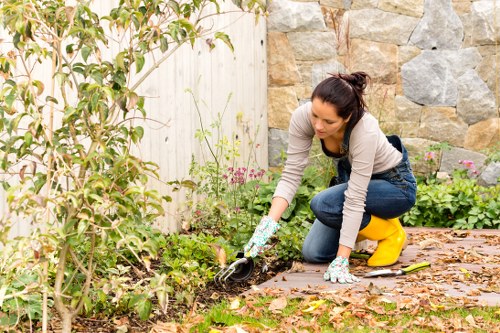 We also map local transfer stations and municipal sorting hubs that accept garden and green waste. Key east London transfer facilities close to Newham — such as the Beckton transfer hub and nearby south-east transfer points — provide the link between collection and processing. Their capacity for organics and bulking enables us to scale composting programmes and ensure low-contamination streams reach treatment facilities efficiently.
Partnerships, reuse and sustainable transport
Strong partnerships are central to our sustainable rubbish gardening area. Gardening Newham works with local charities, community reuse organisations and social enterprises to keep materials in circulation: pots are cleaned and rehomed, timber is repurposed for raised beds, and viable compost is shared with schools and neighbourhood projects. Charity partnerships help extend the life of tools and equipment while creating volunteering and training opportunities for residents.
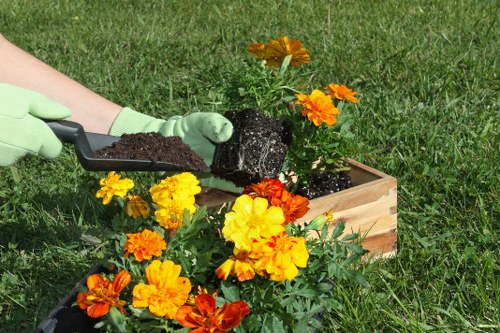 To reduce the carbon footprint of collection and redistribution we operate a growing fleet of low-carbon vans and cargo bikes for short-distance transfers between gardens, community hubs and reuse partners. These low-emission vehicles — mostly electric vans and pedal-assisted cargo bikes — cut diesel mileage in dense urban areas and enable more frequent, flexible collection of garden materials and reusable items.
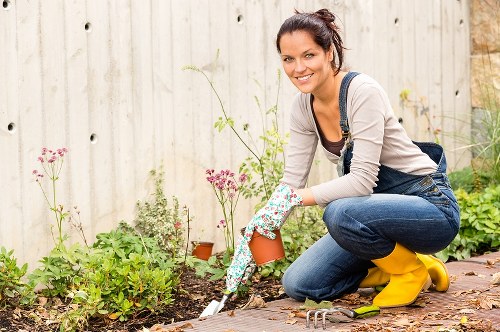 Our sustainable waste management measures also include on-site compost systems: in-vessel composters for higher-volume sites, bay composting for allotments and Bokashi or hot-composting for sensitive food residues. By composting locally where possible we lower transport emissions, return nutrients to soils and foster circular, place-based soil health improvements.
Monitoring and transparency are critical. Each community garden submits quarterly waste and reuse reports so we can measure progress toward the 60% recycling target and refine strategies. Data helps us target education campaigns where contamination is high and supports bids for funding to expand low-carbon logistics and composting infrastructure.
Key actions for a greener gardening borough:
- Improve separate collections for food and garden waste at community sites
- Build reuse networks with charities and social enterprises
- Invest in low-carbon vans and cargo bikes for local transfer
- Support on-site and municipal composting to close nutrient loops
Gardening Newham’s commitment to eco-friendly waste disposal and a robust sustainable rubbish gardening area is about more than targets: it’s about creating healthy soil, empowering local communities, reducing carbon emissions and building resilient green spaces that benefit people and wildlife across the borough. Working with transfer stations, charities and low-carbon transport, we are turning garden waste into an asset rather than a liability.