Forest Gate E7 gardeners for small front garden makeovers
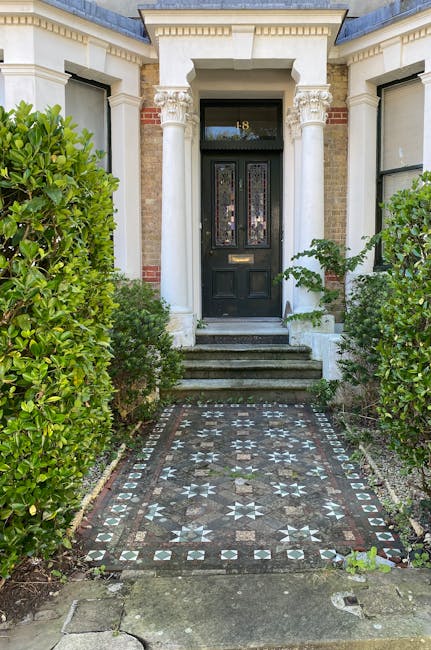
If you live in Forest Gate and your front garden feels more "forgotten corner" than welcoming entrance, you are not alone. Small front gardens can be tricky: not quite big enough for grand designs, yet visible enough that every rough edge shows. The good news is that Forest Gate E7 gardeners for small front garden makeovers can turn even a narrow, awkward plot into something neat, inviting, and genuinely useful. A good makeover is not about cramming in more plants. It is about making the space work harder, look calmer, and feel like it belongs to the house.
In this guide, we'll walk through how small front garden makeovers are planned, what makes them successful in an E7 setting, where people often go wrong, and how to judge whether a simple refresh or a fuller landscaping approach is the better fit. You'll also find practical checklists, a comparison table, and a realistic example so you can picture the results before you commit. No fluff. Just the sort of advice that helps you make a solid decision.
Why Forest Gate E7 gardeners for small front garden makeovers Matters
A front garden does a lot more work than most people realise. It is the first thing you see when you get home, the bit visitors notice before they ring the bell, and, in many homes, the small patch that sets the tone for the whole property. In Forest Gate E7, that matters even more because homes vary so much in style, frontage, and age. Some plots are compact and paved, some are narrow and shaded, and some have a mix of old planting and hardstanding that has seen better days.
That is why a small front garden makeover is not just about making things look prettier. It can improve kerb appeal, help the space feel organised, and make daily life easier. You notice it when you come back with shopping in the rain and your path is clean and clear. You notice it when the front steps look cared for rather than tired. And yes, neighbours notice too. Not in a fussy way, just in that quiet "that looks nice" way that says the house is well kept.
There is also a practical side. A well-planned front garden can help with drainage, reduce messy overgrowth, and create room for low-maintenance planting instead of constant patching and trimming. In a built-up area like Forest Gate, where outdoor space is precious, that is no small thing.
How Forest Gate E7 gardeners for small front garden makeovers Works
The process usually starts with a close look at what the garden already has. A good gardener will notice the light levels, the amount of shade, the shape of the frontage, the condition of the soil, and how you actually use the space. Truth be told, many small front garden problems are not really "garden" problems at all. They are layout problems. Or drainage problems. Or the result of too many different ideas being squeezed into too small a space.
From there, the makeover is normally broken into a few clear stages:
- Assessment: measure the space, note access points, check boundaries, and spot issues such as poor soil, compacted ground, or broken edging.
- Clear-down: remove dead plants, weeds, debris, and anything that is making the garden look cluttered or neglected. If needed, a broader tidy-up or garden clearance can create a clean starting point.
- Design direction: decide whether the space should feel formal, soft and planted, modern and minimal, or practical and low-maintenance.
- Surface and structure: improve paths, define beds, repair borders, and add features such as edging or small retaining details.
- Planting plan: choose plants that suit the light, soil, and size of the garden rather than picking whatever looks nice in the moment.
- Finishing touches: mulch, tidy lines, smart containers, lighting if appropriate, and a final cut-back or tidy to sharpen the look.
The best front garden makeovers are usually not dramatic from a distance. They are calm, balanced, and practical. That is the trick. A few strong choices often beat a dozen small ones.
Key Benefits and Practical Advantages
A well-done small front garden makeover delivers more than one type of value. Here's what people usually gain, especially in a busy London neighbourhood where every square metre has a job to do.
- Better kerb appeal: a tidy frontage instantly improves the look of the whole property.
- Less maintenance stress: with the right planting and layout, weekly upkeep becomes much easier.
- More usable space: even a narrow front garden can feel clearer and more functional.
- Improved first impression: useful if you are planning to sell, let, or simply want the house to feel cared for.
- Better plant survival: choosing suitable species for shade, sun, or dry conditions reduces ongoing losses.
- Cleaner boundaries: edging, paths, and planting beds create a defined, intentional look.
There is a quiet psychological benefit too. A smart front garden tends to make the whole home feel more settled. You walk up to the door and, instead of feeling slightly annoyed by the mess, you feel looked after. Small thing, maybe. But it counts.
For homeowners who want more than a quick tidy, you may also want to look at broader landscape gardening or tailored landscaping support, especially if the front garden needs structural changes rather than just planting.
Who This Is For and When It Makes Sense
Small front garden makeovers suit a surprisingly wide range of homes and situations. You might be a good fit if any of these sound familiar:
- Your front garden looks patchy, overgrown, or a bit tired.
- You want a neater entrance without turning the space into something high-maintenance.
- The garden is too small for large features, so every design choice needs to earn its place.
- You are preparing to sell and want the property to feel more inviting at first glance.
- You have a mix of paving, beds, and containers that no longer works together.
- You keep meaning to improve the space but never quite know where to start.
It also makes sense if the garden is structurally fine but visually messy. In other words, if the bones are okay and the trouble is mainly in the details, a front garden makeover can be refreshingly straightforward. On the other hand, if roots have lifted paving, soil has become poor, or the space floods after rain, then you are looking at a more involved job. That is where a proper site assessment matters.
To be fair, some people overthink the whole thing. They imagine they need a grand design package when what they really need is better layout, sharper edging, and three or four right plants. Simple can be very effective.
Step-by-Step Guidance
If you want a good result, the process matters. Here's a sensible way to approach a small front garden makeover without wasting time or money.
1. Start with the bones of the space
Before choosing plants, look at paths, steps, borders, gates, bins, and the route from pavement to front door. Is the space easy to walk through? Does it feel cramped? Are there areas that are just swallowing attention without adding value? A clear layout makes every other decision easier.
2. Remove what is not helping
This is often the biggest improvement. Old pots, broken containers, dead shrubs, self-seeded weeds, and tired edging can make a small garden feel even smaller. Clearing the visual noise gives you breathing room. Sometimes that alone changes the whole mood.
3. Decide the style
Small front gardens usually work best with one of three directions:
- Low-maintenance neat and green: simple structure, reliable planting, easy upkeep.
- Soft and welcoming: layered planting, seasonal colour, a gentler feel.
- Modern and minimal: strong lines, fewer plants, clean materials, crisp finishes.
Do not try to do all three at once. That is how a front garden starts looking busy in the wrong way.
4. Choose plants for the conditions, not the catalogue photo
Shade, traffic, pollution, dry patches near walls, and compacted ground all affect plant performance. A plant that looks lush on a website may sulk in a narrow front border in Forest Gate. A better choice is one that actually likes the conditions you have. Simple as that.
5. Add structure first, then softness
Edging, borders, and clean lines come before decorative extras. Once the structure is in place, planting can soften it and make the space feel alive. Without structure, even good plants can look a bit lost.
6. Finish with practical details
Think about bin storage, letterbox access, visibility from the street, and whether the planting blocks the path. A beautiful front garden that gets in the way is not a win. Function matters. Always.
Expert Tips for Better Results
Here is where the small details really start to matter. These are the sorts of things experienced gardeners tend to notice quickly.
- Use repetition wisely: repeating the same plant in small groups usually looks calmer than mixing too many varieties.
- Keep the front edge tidy: the area closest to the pavement gets the most visual attention, so make it sharp and intentional.
- Think in layers: low edging, mid-height structure, and one or two focal plants can work far better than a flat planting scheme.
- Use containers sparingly: one or two good pots can help, but too many start to eat into limited space.
- Leave room to breathe: in a small garden, empty space is not wasted space. It gives the design shape.
- Match maintenance to reality: if you only want to spend a few minutes a week on the garden, say so early and design for it.
A small but useful habit: stand across the street and look back at the house. That angle usually reveals what the eye sees first. It is slightly humbling, yes, but very helpful.
If privacy is part of the brief, carefully placed planting can help without making the front feel closed in. Our related advice on tall potted plants for privacy and charm can be useful if you're weighing container-based solutions.
Common Mistakes to Avoid
Small front gardens can go wrong in predictable ways. Most of these are fixable, but it is better to avoid them in the first place.
- Overplanting: too many species in a tiny area makes maintenance harder and the design noisier.
- Choosing plants for looks alone: attractive does not always mean suitable.
- Ignoring the path: if access feels awkward, the whole garden feels awkward.
- Using too many materials: mixing too many finishes can make a compact space feel chopped up.
- Forgetting long-term growth: a plant that looks tiny now may dominate later. Happens all the time.
- Leaving maintenance out of the plan: the prettiest garden is not much use if it becomes a chore you dread.
Another common issue is starting with a Pinterest-style idea and trying to force it into a front garden that simply does not have the room. Inspiration is fine. Copying blindly is not. Let the site decide what is realistic.
Tools, Resources and Recommendations
For homeowners and gardeners alike, the right tools make a small makeover smoother and safer. You do not need an enormous kit, but a few essentials help a lot.
| Tool or resource | What it helps with | Why it matters in a small front garden |
|---|---|---|
| Hand trowel and fork | Planting, weeding, soil work | Useful where larger tools are awkward |
| Secateurs | Light pruning and shaping | Helps keep plants neat without overcutting |
| Edging tool | Defining borders and beds | Sharp edges make small spaces look cleaner |
| Wheelbarrow or rubble tub | Moving waste and materials | Handy during clearance and replanting |
| Soil improver or compost | Improving tired ground | Often needed if beds have been neglected |
| garden maintenance support | Ongoing care after the makeover | Keeps the new look from slipping back |
It is also worth thinking beyond the first day. A beautiful makeover that is impossible to maintain is not a great investment. Many homeowners in busy London households prefer a setup that can be kept in order with light seasonal work, plus occasional professional help for trimming, mowing, or tidying. If that sounds like your life, fair enough. Most people are not pretending they have two spare afternoons a week.
For broader service information, the site's services overview is a useful place to understand the range of support available before you decide on the right mix of work.
Law, Compliance, Standards, or Best Practice
Front garden work is usually straightforward, but there are still a few points worth keeping in mind. If a makeover affects drainage, boundaries, access, or shared structures, it is sensible to check things carefully before any major work begins. That is especially true in urban streets where properties sit close together and changes can affect neighbours more than you might expect.
In practical terms, good best practice includes the following:
- avoid blocking safe access to the front door, bins, meters, or shared paths;
- make sure hard surfaces are stable and suitable for regular use;
- handle waste responsibly and do not leave spoil in a way that creates a nuisance;
- choose materials and planting that suit the site rather than forcing a design that creates drainage or access issues;
- check whether any larger works could affect trees, walls, fences, or underground services.
If you are hiring gardeners or landscapers, it is sensible to ask about insurance and safety arrangements. That is not being awkward; it is basic due diligence. A reputable provider should be able to talk through how they manage tools, waste, access, and safe working practices. Their insurance and safety information is worth reviewing if you want extra reassurance before booking.
For certain jobs, especially where trees or larger shrubs are involved, specialist care may be needed. If the front garden includes overgrown or risky woody growth, a dedicated tree lopping and removal service may be more appropriate than standard tidying.
Options, Methods, or Comparison Table
Different front garden makeover approaches suit different budgets, timeframes, and maintenance expectations. This comparison should help you narrow it down without overcomplicating things.
| Approach | Best for | Typical strengths | Possible trade-offs |
|---|---|---|---|
| Quick tidy and refresh | Gardens that are basically fine but messy | Fast, affordable, immediate visual uplift | Limited structural change |
| Planting-led makeover | Spaces that need softness and colour | Improves mood, kerb appeal, and seasonal interest | Needs correct plant choice and occasional care |
| Hard landscaping update | Gardens with poor layout or tired surfaces | Creates lasting structure and clearer use of space | More involved and usually more disruptive |
| Low-maintenance redesign | Busy households wanting long-term ease | Simple upkeep, neat appearance, fewer problem plants | Can feel too plain if not designed carefully |
If you are unsure which route to choose, start with the question: do you need the space to look better, work better, or both? That answer usually points you in the right direction. A good gardener will help you avoid spending money on the wrong level of work.
Case Study or Real-World Example
Imagine a modest terraced property in Forest Gate with a narrow front garden, patchy weeds, an uneven path, and a couple of tired shrubs doing very little except looking apologetic. The owners want something smarter but they do not want a fussy garden that needs constant attention. They also want the doorway to feel more welcoming from the street.
The makeover plan is simple:
- clear the weeds and dead material;
- cut back overgrown shrubs and remove anything unsalvageable;
- define the edges of the bed properly;
- add a small group of reliable, shade-tolerant plants;
- refresh the surface around the entry path;
- finish with mulch so the bed looks neat and holds moisture better.
The result is not dramatic in a flashy way. But it is calmer, cleaner, and much more intentional. The front path feels wider, the plants look chosen rather than abandoned, and the house suddenly seems looked after. That is usually what people want, even if they cannot quite describe it at the start.
One of the more pleasing parts of this kind of project is how quickly the change reads from the pavement. By the end of the day, or at worst after a short follow-up visit, the space can go from cluttered to composed. A small space, yes. But it can still make a proper difference.
Practical Checklist
Use this checklist before you book work or start planning the makeover yourself.
- Is the main goal visual improvement, easier maintenance, or both?
- Have you looked at sun, shade, and soil conditions?
- Do you know which plants will actually cope with the site?
- Are paths, steps, and access points safe and clear?
- Do you want a formal, soft, or modern look?
- Have you decided what can be removed or reused?
- Is drainage an issue after heavy rain?
- Will the finished garden still be easy to look after?
- Do you need any clearance, pruning, or maintenance work first?
- Have you set a realistic budget and timeline?
Quick expert summary: the best small front garden makeovers are usually the ones that solve a layout problem first, then use planting to soften and finish the space. If you get the structure right, the rest becomes much easier. And yes, the whole place tends to feel better almost straight away.
Get a free quote today and see how much you can save.
Conclusion
Small front garden makeovers are one of those jobs that can quietly change how a property feels every single day. In Forest Gate E7, where front spaces are often compact, varied, and lived-in, the best results come from clear thinking rather than grand gestures. A neat layout, the right plants, sensible materials, and a bit of restraint can do more than a crowded design ever will.
If you are weighing up whether to refresh, replant, or completely rethink your front garden, start with the basics: what does the space need to do, how much upkeep can you realistically manage, and what would make the biggest visual difference? Those are the right questions. The rest follows.
And if all you really want is to come home, glance at the front door, and feel a small lift instead of a small sigh, that's fair enough. That's the job, really.
Frequently Asked Questions
What do Forest Gate E7 gardeners for small front garden makeovers usually include?
They usually include clearing away clutter, improving the layout, tidying or replacing planting, refreshing borders, and making the front of the property look more balanced and welcoming. Some makeovers are light-touch, while others involve more structural work.
How long does a small front garden makeover take?
It depends on the condition of the space. A simple tidy-up and replanting can be done fairly quickly, while a fuller redesign with clearance, edging, and new planting may take longer. Weather, access, and the amount of waste also affect timing.
Is a small front garden makeover expensive?
Costs vary depending on what needs doing. A refresh is usually more affordable than a full redesign. The biggest cost drivers are labour, materials, removal of waste, and whether the garden needs repairs or major reshaping.
What plants work best in a small front garden in Forest Gate?
The best plants depend on light levels, soil, and how much maintenance you want to do. In many small urban gardens, compact shrubs, hardy perennials, and reliable structural plants work well because they stay neat and do not overwhelm the space.
Can a small front garden still look impressive without much planting?
Yes. Strong layout, tidy borders, clean edging, and good surface treatment can make a surprisingly big difference. A minimalist approach can look very smart if the details are well executed.
Do I need a garden designer or just gardeners?
It depends on the complexity. If you mainly need clearing, tidying, and planting, gardeners may be enough. If the space needs a new layout, new hard landscaping, or a more considered visual plan, a landscape gardening approach may be more suitable.
How do I keep a small front garden low-maintenance?
Choose fewer plant types, use hardy species, keep borders simple, and avoid cluttering the space with too many pots or decorative extras. Regular light maintenance is much easier than trying to rescue an overcomplicated design later.
What if my front garden has poor soil or heavy shade?
That is common in urban settings. The solution is to choose plants suited to the conditions and, where needed, improve the soil structure before planting. A proper assessment helps avoid wasting money on plants that will struggle.
Do I need to worry about drainage in a front garden makeover?
If the area holds water after rain, yes, drainage should be checked before major changes are made. Even small changes to surfaces, borders, and soil levels can affect how water moves through the space.
Can overgrown shrubs be removed as part of the project?
Yes, if they are no longer useful or they are taking over the space. Sometimes selective pruning is enough. Other times removal is the better option, especially where growth is blocking light, access, or the overall design.
Will a front garden makeover help if I'm thinking of selling my home?
It can help a lot. A neat, welcoming frontage gives a better first impression and can make the property feel more cared for. It is not about making big promises; it is about presenting the home well from the start.
What should I ask before booking gardeners for a front garden makeover?
Ask what is included, whether clearance and waste removal are covered, how they handle access and safety, what plants or materials they recommend, and how much aftercare the new garden will need. Clear answers at the start usually mean fewer surprises later.